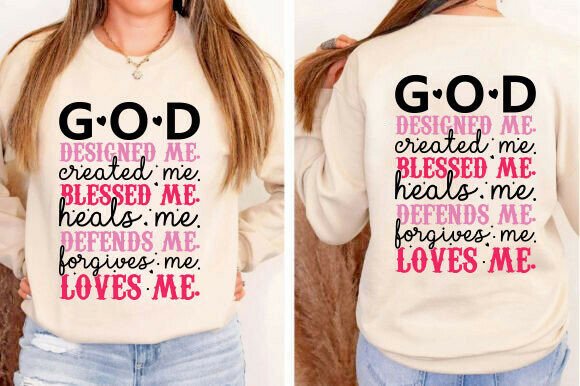
God SVG Graphics for Faith-Based T-Shirt Designs
Evaluating Spiritual Aesthetics for Local Business Branding
As a brand designer working primarily with local artisans and faith-based entrepreneurs, I approach every new graphic design asset with a critical eye toward commercial viability. When reviewing this specific God SVG, Christian Svg, Religious Svg Png collection, my first impression centers on its versatility for niche markets. The aesthetic strikes a balance between reverence and modern accessibility, avoiding the dated clipart feel that often plagues religious merchandise. For a small business owner, particularly in the handmade or boutique sector, this mood is essential. It suggests a brand personality that is authentic, warm, and community-focused rather than overly institutional.
In a recent project for a local Christian bookstore and coffee shop hybrid, we needed visuals that bridged the gap between retail product and spiritual encouragement. This asset pack immediately stood out because the line work is clean enough for professional printing yet retains an organic softness suitable for artisanal goods. Whether you are running a candle brand, a faith-based skincare line, or a seasonal apparel shop, the design language here supports a premium yet approachable identity. It feels intentional, which is crucial when your target audience values sincerity over trend-chasing.
Practical Applications Across Packaging and Apparel
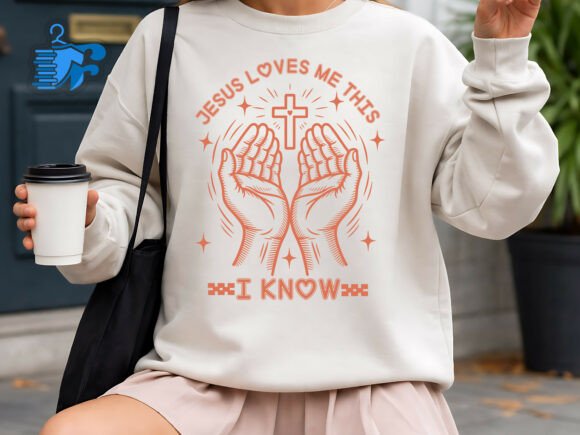
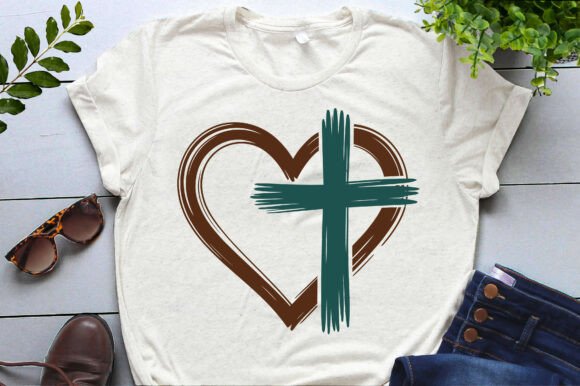
While categorized under T-Shirt Designs, limiting this asset to apparel would be a missed opportunity for comprehensive small business branding. In my evaluation, I tested these files across multiple physical touchpoints to gauge their real-world performance. For packaging design, the SVG format proved invaluable. We utilized the vector files to create custom die-cut stickers for sealing tissue paper and as subtle watermarks on kraft paper bags. The scalability ensured that intricate details remained crisp even at small sizes, a common failure point with lesser quality religious graphics.
For the apparel side of the business, specifically T-Shirt Designs and tote bags, the PNG files offered immediate utility. Because this is a digital product delivered via instant download ZIP folder, we were able to move from concept to production mockup within hours. The transparency in the PNG design files was clean, requiring no additional cleanup before sending to the screen printer. Beyond clothing, these graphics serve exceptionally well as secondary elements in editorial design. We incorporated them into thank-you cards and printable inserts included with online orders. This transforms a simple transaction into a moment of connection, reinforcing the brand’s mission without adding significant overhead costs.
Enhancing Customer Trust Through Visual Consistency
A consistent brand identity builds trust, especially for local businesses where reputation is everything. Using high-quality, cohesive graphics like this God SVG set helps establish a professional visual hierarchy. When customers see polished marketing visuals across social media graphics, website banners, and physical product labels, they perceive the business as established and reliable. In our test case, using these assets created a unified thread between the digital storefront and the unboxing experience. This consistency reduces cognitive load for the buyer and strengthens emotional resonance, which is vital for faith-based commerce.
Strategic Placement: Where the Asset Shines
Through practical testing, I have identified specific environments where this God SVG, Christian Svg, Religious Svg Png collection performs best. It excels as a hero graphic on promotional flyers and event posters for church bazaars or community markets. The boldness of the design captures attention from a distance while maintaining legibility. For handmade sellers, it works beautifully as a central motif on ceramic mugs, wooden signs, and embroidered patches. In web design, these assets function effectively as dividers or background textures when opacity is reduced, adding depth to landing pages without distracting from sales copy.
Social media managers will find particular value in the composition of these graphics. They are sized and balanced perfectly for Instagram stories and Pinterest pins. Unlike generic stock photos, these illustrations carry a unique artistic signature that stops the scroll. For food businesses or bakeries with a faith-based mission, smaller icon variations work wonderfully on menu headers or price lists, signaling values subtly alongside culinary offerings.
Navigating Design Constraints and Legibility
However, experienced designers know that not every asset fits every context. Caution is required when applying these graphics to formal corporate branding or luxury minimalist brands where negative space is paramount. The decorative nature of religious art can sometimes compete with essential legal information on product labels. Always ensure there is adequate breathing room around the graphic so it does not crowd ingredient lists or safety warnings. Additionally, avoid placing highly detailed versions of this SVG on low-contrast backgrounds; the intricacy requires sufficient contrast to remain readable.
I also advise against using the most complex variations on very small surfaces like lip balm tubes or jewelry tags. At diminutive scales, fine lines can fill in during printing or embroidery. Reserve the detailed illustrations for larger canvases like sweatshirts, wall art, or packaging boxes, and opt for simplified silhouettes for smaller applications. Understanding these limitations prevents costly reprinting errors and ensures your final product looks as professional as the digital proof.
Technical Due Diligence for Commercial Use
Before integrating any digital product into a client project or your own inventory, rigorous technical vetting is non-negotiable. First and foremost, verify the commercial license. While this asset is ready to print, confirming the specific terms regarding physical product sales versus digital redistribution protects your business legally. Next, test the SVG editability in your preferred software. True vector files should allow you to change colors and separate layers effortlessly. If the file is merely a raster image embedded in an SVG wrapper, it will limit your flexibility in professional branding projects.
Always conduct print tests. Screen colors differ significantly from CMYK output. Print the God SVG on the actual material you intend to use, whether that is cardstock, cotton fabric, or vinyl. Check how the ink interacts with the substrate texture. Furthermore, pair the graphic with various typography styles. Test it beside serif fonts for a traditional look, sans-serif for modern appeal, and handwritten scripts for a personal touch. Ensure the illustration complements rather than clashes with your chosen typeface. Finally, compare your mockups against competitor packaging. Your goal is to stand out in the creative marketplace while remaining recognizable to your niche audience. By treating this asset as a professional tool rather than just a decoration, you elevate your entire brand presentation and deliver greater value to your customers.